Why virtual fishing is a hobby worth learning
Fishing simulators reward patience, curiosity and small careful decisions. Here is why we think they make a welcoming new hobby, and where their limits lie.
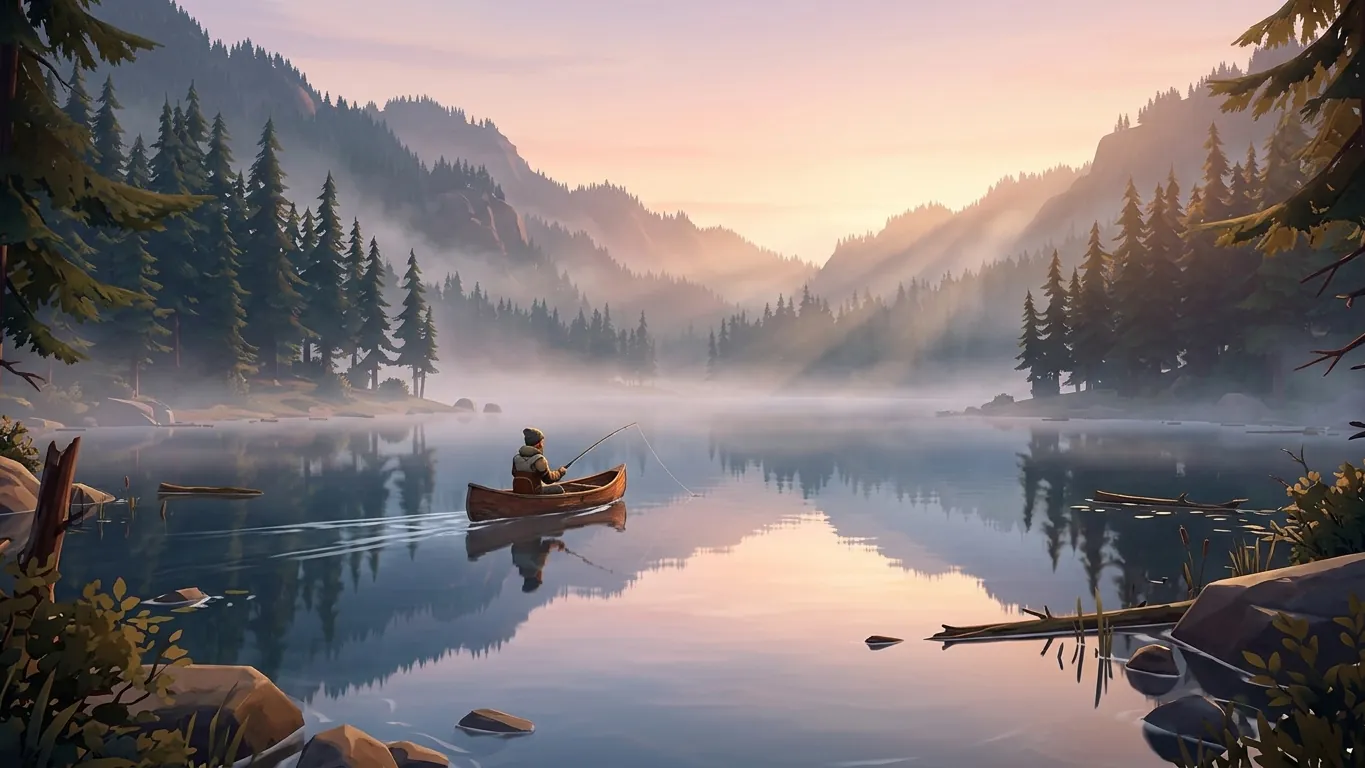
A slower kind of game
Many games ask you to react fast and keep moving. Fishing simulators ask for something else: attention, patience and small, careful decisions. In our view, that is exactly why they are worth learning.
You arrive at a quiet lake, choose a spot, set up your tackle and wait. Nothing happens for a while. Then the float dips and everything changes. That contrast between calm and sudden action is the heart of the genre, and Fishing Planet presents it in a way that newcomers can follow.
There are no enemies to defeat and no clock pushing you forward. You decide the pace. For many players, that alone makes a session feel like a break rather than a task.
Patience becomes a skill you can see
In fishing games, patience is not just waiting. It is a skill with clear results. Waiting for the float to go fully under before striking, letting a fish run instead of forcing it, giving a spot enough time before moving on: each of these choices shows up in what you land.
That makes progress easy to notice. In your first sessions, you may lose many fish. Later, you lose fewer, and you know why. That sense of steady improvement, built on understanding rather than luck, is one of the most rewarding parts of the hobby.
Learning about fish and water along the way
A good fishing simulator quietly teaches you how water works. You learn that fish gather near weeds and fallen trees, that depth matters, and that time of day and weather can change behaviour.
You also meet different species and learn to tell them apart: which ones chase lures, which ones feed on the bottom, which ones prefer slow baits. For many players, this curiosity grows into a broader interest in lakes, rivers and the creatures that live in them.
The terms you pick up in the game are the same ones used by anglers everywhere, so the vocabulary is a useful bonus if you ever read about real fishing.
Virtual fishing is not the same as real angling
It is important to stay balanced. A game simplifies many things. Real fishing involves changing weather, safety on and near the water, handling tackle and hooks, caring for fish and following local rules. No game fully represents these.
If virtual fishing makes you curious about trying the real thing in Canada, check the regulations that apply where you plan to fish. Licences, seasons and catch limits differ between provinces, territories, waters and species, so look them up with the relevant authorities before you go. Experienced local anglers and fishing clubs can offer practical advice on safety and equipment.
The game can give you vocabulary and a basic understanding. Real skills come from time on real water, with proper guidance.
Enjoying it the club way
The friendliest way to learn a new hobby is together. Share your first catch with a friend, compare notes on setups, and ask questions when something does not make sense. Nobody starts out knowing what drag or a drop-off is.
Set small, personal goals instead of chasing big fish right away. Land your first fish on a float. Learn to cast beside a weed bed without snagging. Try a new lure type. Each small goal keeps the hobby fresh.
That is the spirit of this blog: a relaxed club where beginners find clear explanations and feel comfortable asking simple questions. If there is a topic you would like us to cover, the contact page is the place to tell us.
Related articles
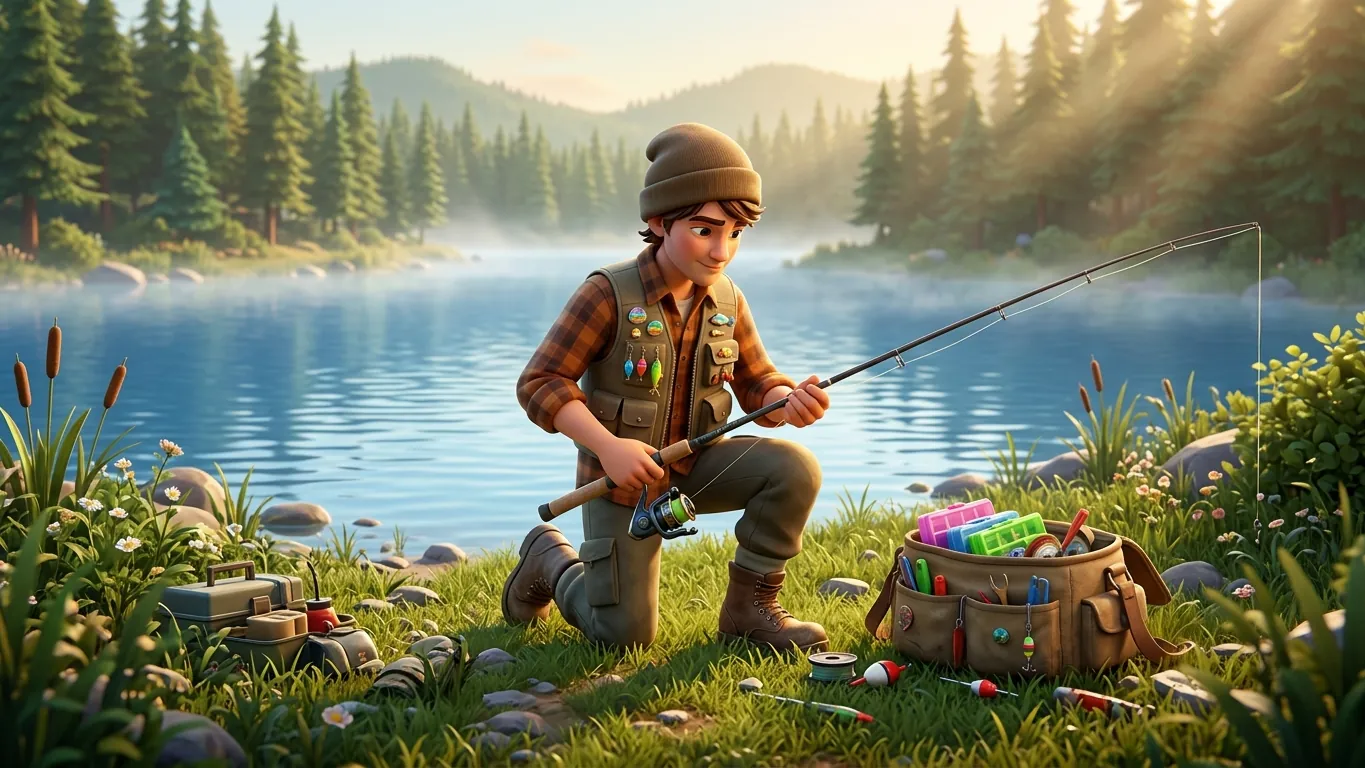 Your first tackle in Fishing Planet
A plain-language guide to your first rod, reel, line and bait in Fishing Planet, with a simple float setup checklist for new virtual anglers.
Read more
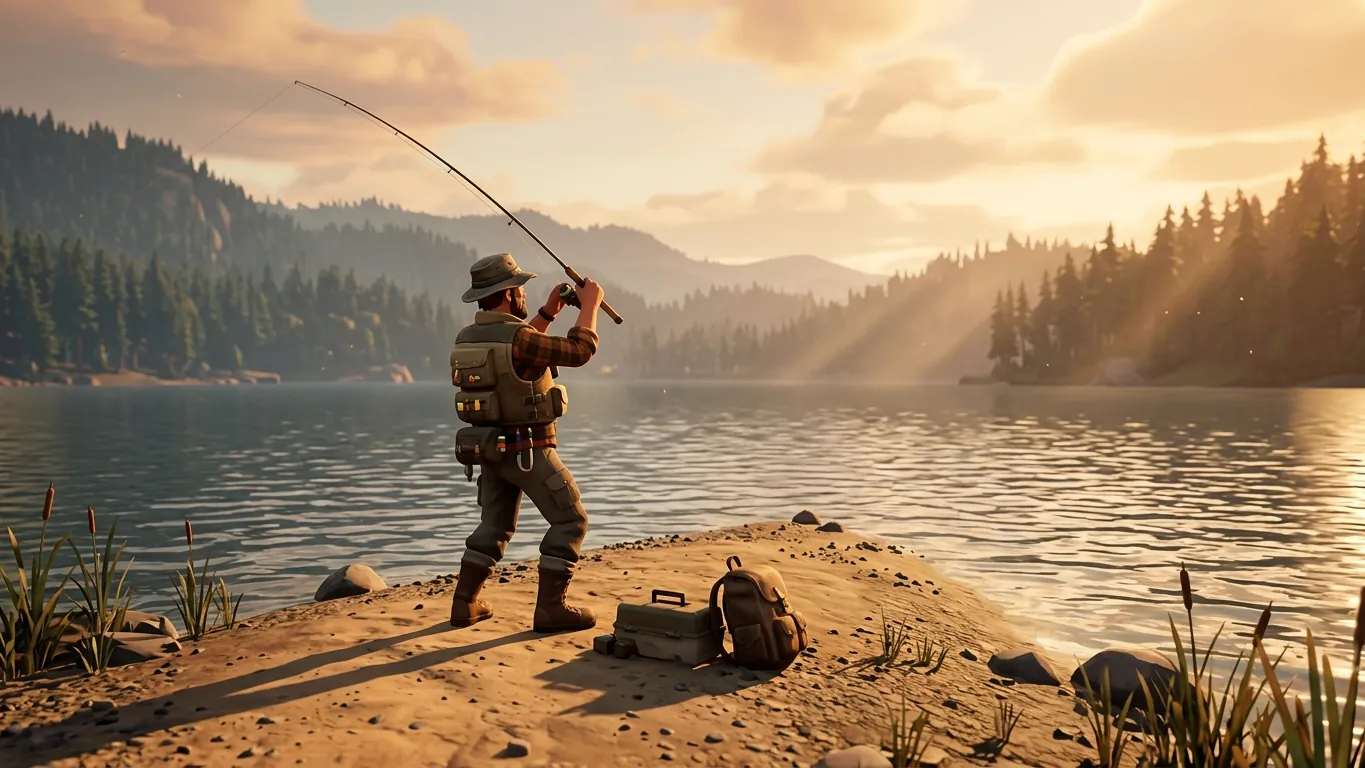 Learning to cast: power, aim and patience
Learn to cast in Fishing Planet: how to control power and direction, a short practice routine, and simple fixes for common beginner casting mistakes.
Read more
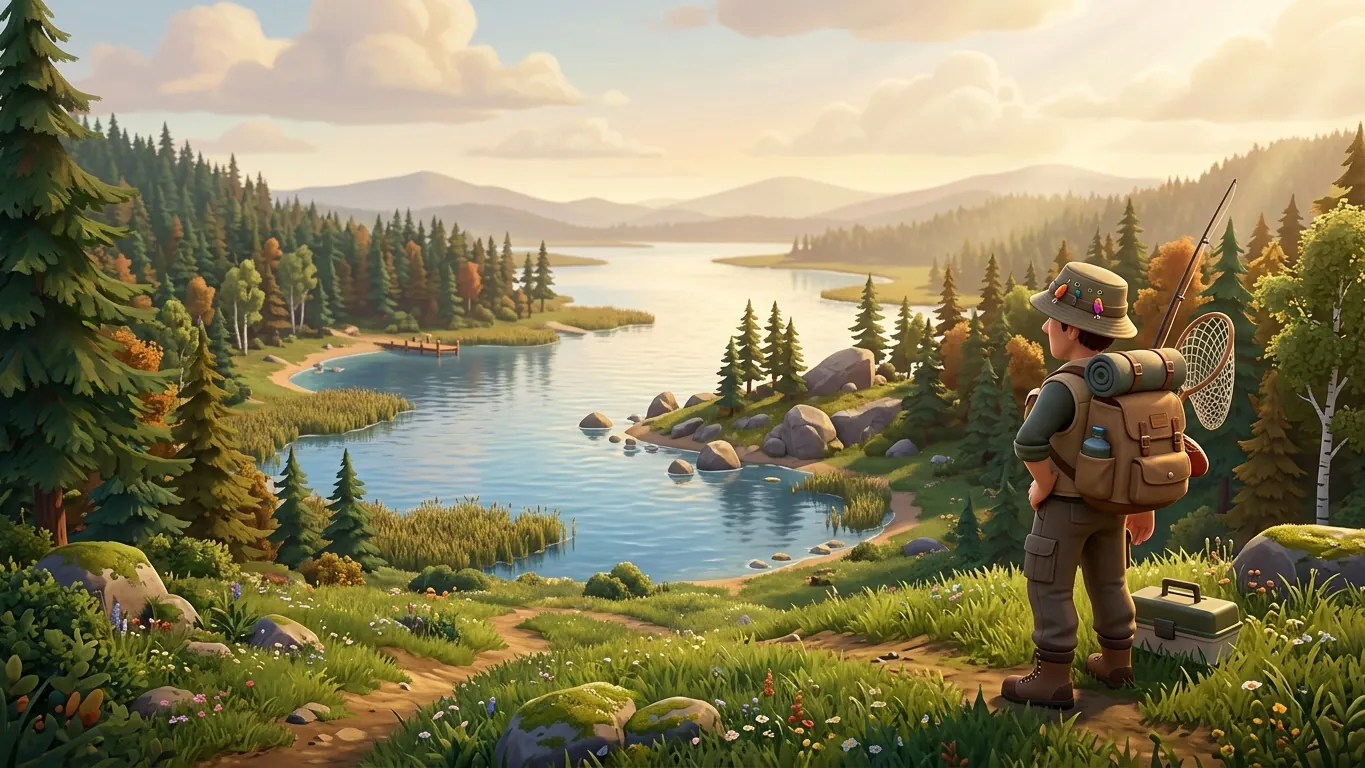 Reading the water: where to make your first cast
How to choose a fishing spot in Fishing Planet: reading structure, judging depth, considering time of day and weather, and knowing when to move on.
Read more