Learning to cast: power, aim and patience
Casting is the first skill every virtual angler practises. This guide covers power, direction and the small habits that keep your line out of trees and snags.
Why casting matters more than it seems
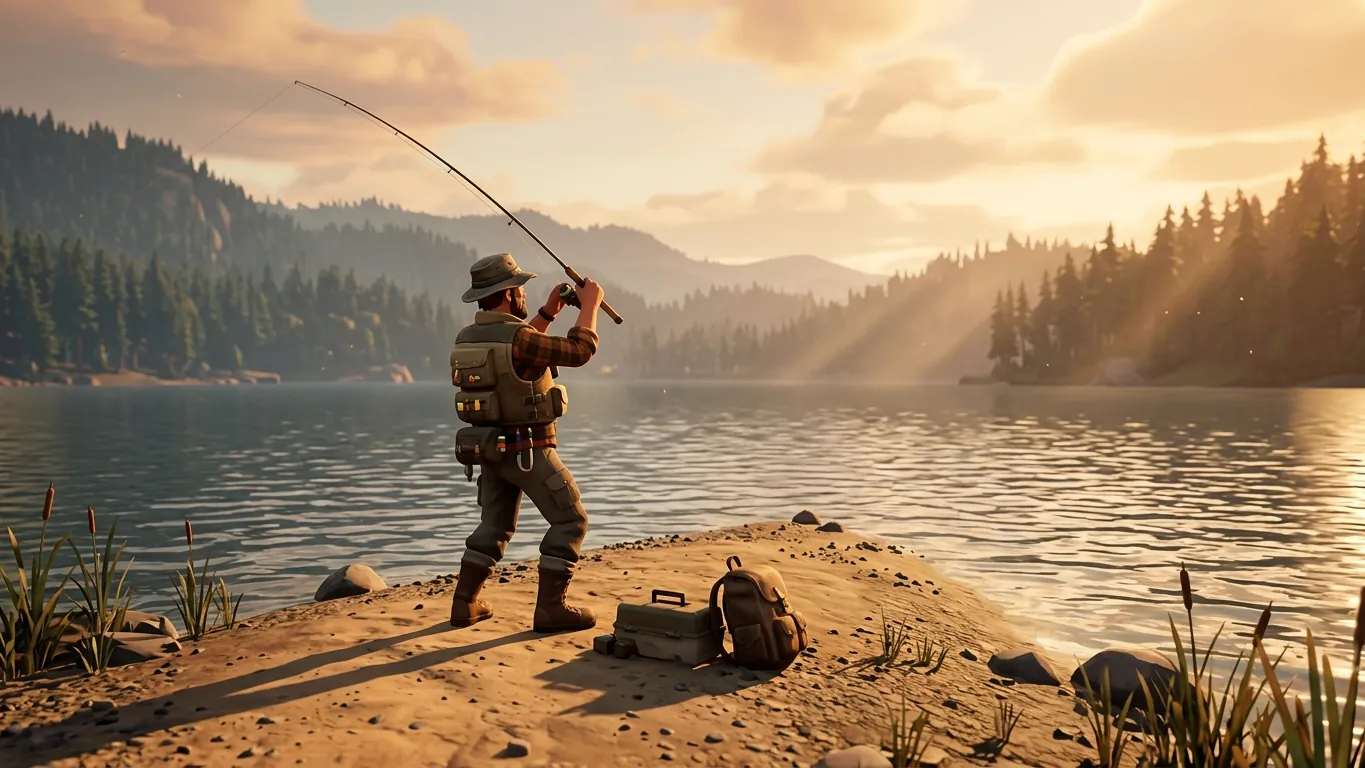
A bait in the wrong place catches nothing, no matter how good your gear is. Casting is how you deliver it to where fish actually are. A good cast lands near a target, such as a weed edge or a fallen log, without tangling in it.
New players often cast as far as possible every time. That is rarely needed. Many fish feed close to the bank, especially around cover. Learning to control both distance and direction helps you more than raw power.
The good news: casting is a skill you can practise anywhere on the water, even when fish are not biting. Every cast teaches you something about how your rod and bait behave.
Power: how far is far enough
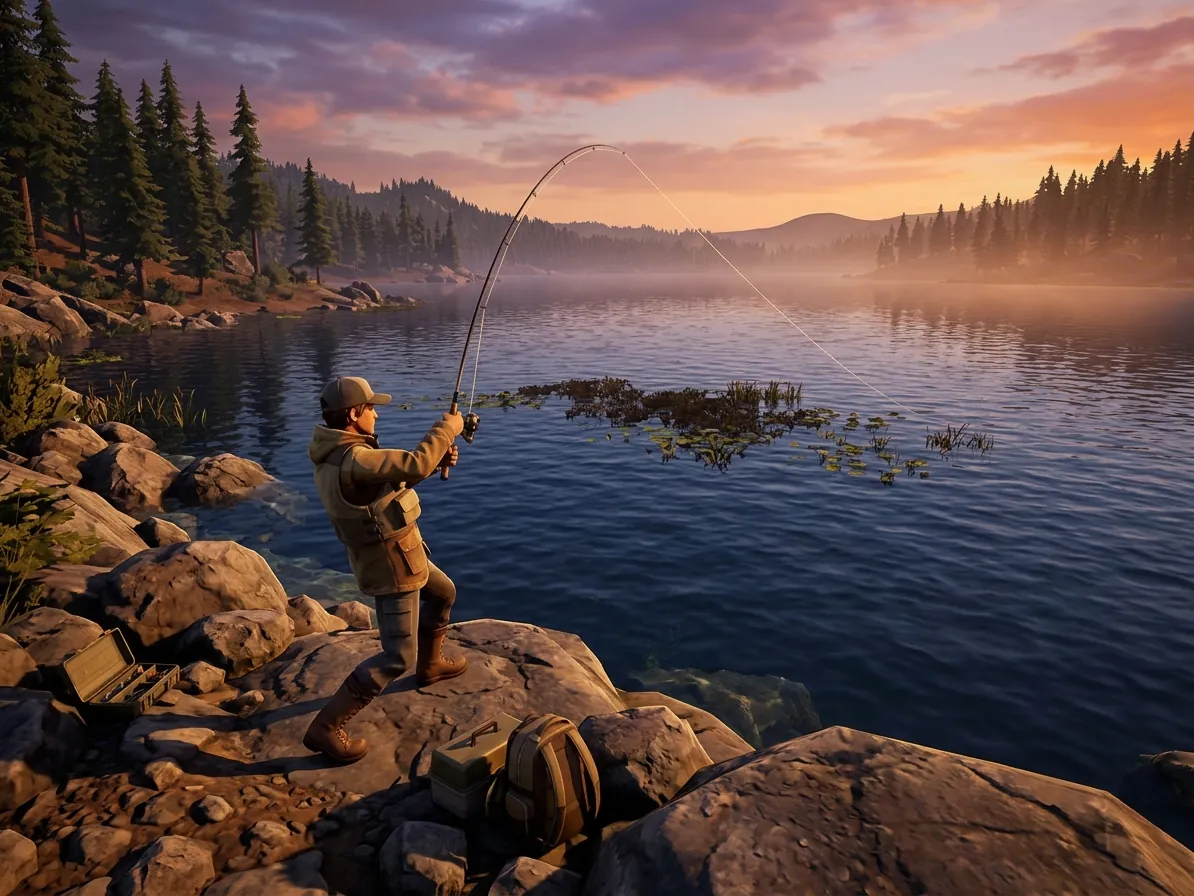
In Fishing Planet, as in most fishing games, you charge a cast by holding the cast control and releasing it to send the line out. The longer you hold, the more power the cast gets.
Start with about half power. Watch where the bait lands. Then try a little more. You will quickly feel the difference between a short flick to the lily pads and a long cast toward open water.
Your tackle affects distance too. Heavier lures and sinkers fly further. Light baits under a small float travel shorter distances. Thin line generally casts further than thick line. If you cannot reach a spot, consider changing the weight at the end of the line before buying a new rod.
Overcasting is a common problem. A cast that flies past the target can land in reeds or on the far bank. When in doubt, cast short and adjust.
Aiming at a clear target
Before each cast, pick one specific target. Somewhere out there is not a target. A gap between weed patches, the end of a fallen tree or the edge of a drop-off are good examples.
Turn your angler so you face the target directly. Small changes in direction make a big difference at long range. If the bait lands to the left, adjust slightly right on the next cast instead of making a large correction.
Aim to land just beside cover, not inside it. A bait dropped into the middle of thick weeds or branches is likely to snag. A bait placed at the edge lets fish see it while keeping your line free.
A ten-minute casting practice routine
Use this routine at the start of a session to warm up and learn a new rod.
- 01
Choose an open stretch of bank
Pick a spot with few obstacles so mistakes cost nothing.
- 02
Cast at half power
Make five casts at the same power and note where each one lands.
- 03
Pick three targets
Choose a near, middle and far target. Try to hit each one twice in a row.
- 04
Add cover to the mix
Move to a weedy area and practise landing beside the weeds without touching them.
- 05
Review and repeat
Notice which distance felt hardest and spend part of your next session on it.
Common casting mistakes and simple fixes
Line tangled in trees or reeds: you cast too hard or aimed too close to cover. Reduce power and choose a target with more open water around it.
Bait landing short every time: your setup may be too light for the distance. Try a slightly heavier float, sinker or lure.
Casting before the setup is ready: check that bait is on the hook and the depth is set. An empty cast wastes time.
Starting the retrieve too early: with lures, give the lure a moment to land and settle. With floats, let the float stand up before you start watching for bites.
Casting the same spot for too long: if several accurate casts bring nothing, move along the bank or change the target. Fish may simply not be there.
Above all, be patient with yourself. Casting feels awkward for everyone at first and becomes natural with repetition.
Related articles
 Reading the water: where to make your first cast
How to choose a fishing spot in Fishing Planet: reading structure, judging depth, considering time of day and weather, and knowing when to move on.
Read more
 Your first catches: from bite to landing
A beginner's walkthrough of first catches in Fishing Planet: spotting bites, timing the strike, playing the fish, landing it and learning from losses.
Read more
 Fishing terms, explained through game moments
Drag, line test, leader, structure and more: common fishing terms explained through situations you will meet in Fishing Planet as a new player.
Read more